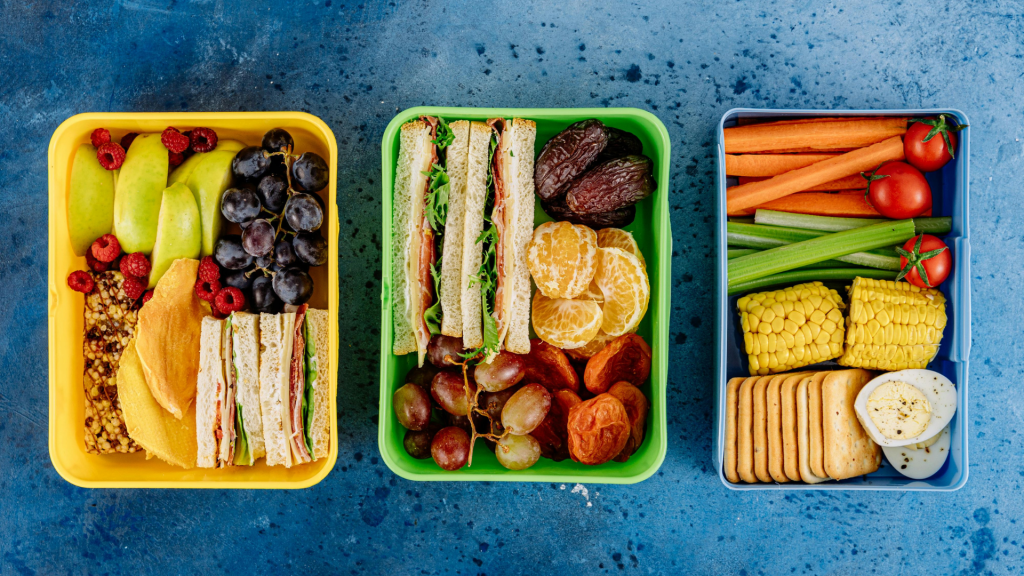
As a parent, have you ever found yourself feeling short on ideas when trying to pack a nutritious school lunchbox for your child? With so many food and drink options available, it can often be challenging to know what to include. Luckily there are simple, evidence-based recommendations in place that can offer guidance on packing a healthy lunchbox!
The Australian Dietary Guidelines provide the most up-to-date, evidence-based nutrition advice on the amount and types of foods required to promote long-term health and wellbeing (1). Childhood is a critical period for developing lifelong eating habits, and following a diet consistent with the Australian Dietary Guidelines is recommended to help support optimal growth and development throughout childhood, adolescence and into adulthood (2).
The school food environment plays a key role in influencing children’s dietary intake and establishing healthy eating habits during early development years (2). As children typically spend 6-7 hours at school, they consume approximately one third to one half of their daily food intake across the entire school day (3, 4).
However, research suggests over 95% of Australian primary school-aged children do not consume a diet aligned with the Australian Dietary Guidelines (5). Studies have found a significant portion of children’s dietary intake derived from energy-dense discretionary foods high in added sugar, salt and saturated fat, with the average lunchbox containing 3.1 serves (6). Comparatively, less than 20% of children are meeting the recommended daily intake for fruits and vegetables (6). Together, these findings highlight the importance of fostering a positive relationship with food and improving dietary intake in childhood. By packing balanced and nutritious lunchboxes, families can support their child’s growth, development and wellbeing, while helping to establish healthy eating habits now and into the future (3).
The Australian Guide to Healthy Eating:
The Australian Dietary Guidelines encourage a balanced diet consistent with five key food groups, illustrated through the Australian Guide to Healthy Eating (Figure 1) (1). Including foods from each group will help ensure children get the energy and essential nutrients they need to grow strong, play, learn and focus.
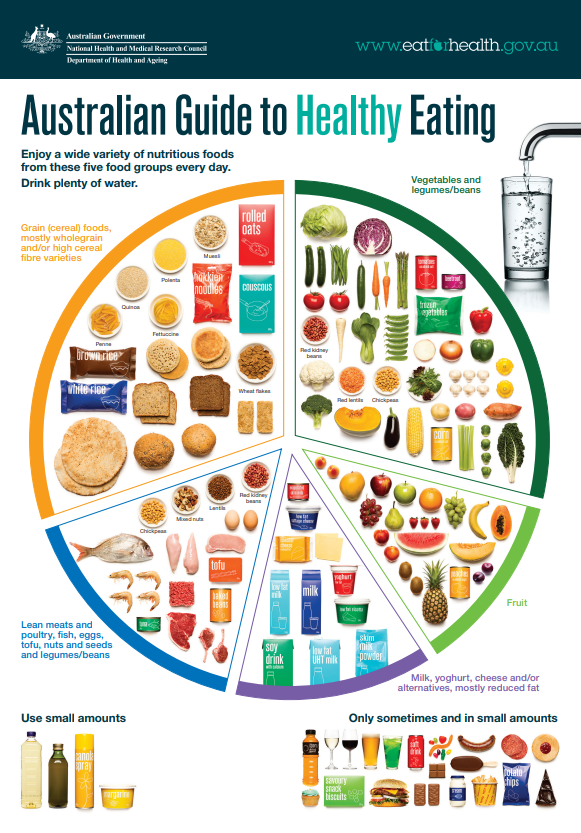
Figure 1. The Australian Guide to Healthy Eating (7)
The Five Food Groups (7):
1. Vegetables and legumes/beans:
Key nutrients:
- Vitamins: A, C, K, E and folate
- Minerals: Magnesium, iron and potassium
- Other: Dietary fibre, carbohydrates and phytonutrients (eg. beta-
carotene)
Examples: Carrot, capsicum, green beans, pumpkin and sweet potato
2. Fruit:
Key nutrients:
- Vitamins: C and folate
- Minerals: Potassium
- Other: Dietary fibre, carbohydrates and phytonutrients (eg. beta-carotene)
Examples: Apple, banana, mango, strawberries and watermelon
3. Grain (cereal) foods, mostly wholegrain and/or high fibre cereal varieties:
Key nutrients:
- Vitamins: Thiamine, riboflavin, niacin, folate and vitamin E
- Minerals: Iron, iodine, magnesium and zinc
- Other: Carbohydrates, protein, dietary fibre and energy
Examples: Wholegrain or high fibre sandwiches, brown rice, quinoa and oats
4. Lean meats and poultry, fish, eggs, tofu, nuts and seeds and legumes/beans:
Key nutrients:
- Vitamins: B12 (from animal foods), niacin and vitamin E (from nuts/seeds)
- Minerals: Iron and zinc
- Other: Protein, omega-3 fatty acids, essential fatty acids, dietary fibre (from plant alternatives) and energy
Examples: Lean grilled chicken, eggs, canned tuna, chickpeas and tofu
5. Milk, yoghurt, cheese and/or alternatives (mostly reduced fat):
Key nutrients:
- Vitamins: B12 and riboflavin
- Minerals: Calcium, magnesium, zinc and potassium
- Other: Protein, fat, carbohydrates and energy
Examples: Milk, yoghurt, cheddar cheese and calcium-fortified plant-based milk or yoghurt
Free Resource – Build Your Balanced Lunchbox:
Download our free printable PDF here for more ideas of food and drinks to include from the five food groups!
Bonus Lunchbox Tips:
- Water: In addition to the five food groups, water is also essential for adequate hydration throughout the day!
- Yakult: Yakult can be enjoyed as part of a balanced diet due to its role in supporting gut health and digestive balance. Yakult is the only product in the world containing the unique probiotic bacteria: Lacticaseibacillus paracasei Shirota strain or LcS for short (8).
How To Properly Store Yakult in Your Lunchbox:
Yakult should be stored at 4°C or below. However, if you plan on adding Yakult to a balanced lunchbox, be sure to add an ice pack to help keep it cold until it is ready to drink! (9)
The key health benefits of the LcS strain include (8):
- It can survive through the digestive system to reach the intestines alive
- It can positively alter and increase the number of beneficial bacteria in the intestines
- It can inhibit the growth of potentially harmful bacteria, thereby supporting a balanced gut
- It can encourage regular bowel movements by improving stool consistency
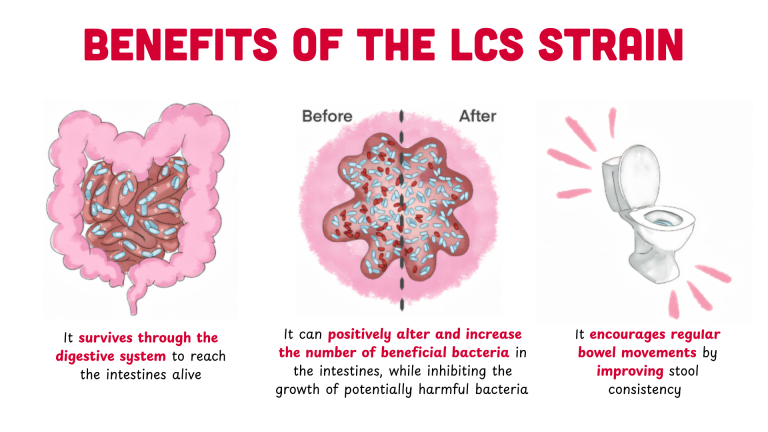
Figure 2. Key benefits of the LcS Strain (8)
The Five Food Groups – How Many Servings Do Children Need Each Day?
The Australian Dietary Guidelines provide age and gender specific recommendations for the minimum number of serves children should aim to eat each day from the five food groups. Nutritional requirements change as children grow, so meeting these serve targets can help ensure they receive the right balance of energy, protein, carbohydrates, vitamins and minerals needed to support optimal growth, development and overall health (7).
Recommended number of daily serves for children and adolescents (10):
Vegetables and legumes/beans:
- 2½ serves for 2-3 year olds
- 4½ serves for 4-8 year olds
- 5 serves for 9-11 year olds
- 5-5½ serves for 12-18 year olds
Fruit:
- 1 serve for 2-3 year olds
- 1½ serves for 4-8 year olds
- 2 serves for 9-18 year olds
Grain (cereal) foods, mostly wholegrain and/or high fibre cereal varieties:
- 4 serves for 2-8 year olds
- 4-5 serves for 9-11 year olds
- 5-6 serves for 12-13 year olds
- 7 serves for 14-18 year olds
Lean meats and poultry, fish, eggs, tofu, nuts and seeds and legumes/beans:
- 1 serve for 2-3 year olds
- 1½ serves for 4-8 year olds
- 2½ serves for 9-18 year olds
Milk, yoghurt, cheese and/or alternatives (mostly reduced fat):
- 1½ serves for 2-3 year olds
- 1½-2 serves for 4-8 year olds
- 2½-3 serves for 9-11 year olds
- 3½ serves for 12-18 year olds
For a complete list of the recommended serves per day including gender-specific guidance, please refer to the Australian Dietary Guidelines (10).
What is a Standard Serve?
A standard ‘serve size’ is a set amount stated in the Australian Dietary Guidelines (11). Being aware of standard serve size examples can be a useful guide to help you plan and pack a balanced lunchbox that meets your child’s nutritional needs.
Standard serve size examples from the five food groups include (10):
Vegetables and legumes/beans:
- ½ cup cooked vegetables (broccoli, corn, carrot or pumpkin)
- ½ cup cooked or canned beans, peas or lentils
- 1 cup of leafy greens or raw salad
- 1 medium sized tomato
Fruit:
- 1 medium sized orange, apple or banana
- 1 cup diced or canned fruit (in natural juice, not syrup)
- 2 small apricots, plums or kiwis
Grain (cereal) foods, mostly wholegrain and/or high fibre cereal varieties:
- 1 slice wholemeal bread
- ½ cup cooked brown rice, pasta, rice noodles or quinoa
- ½ cup cooked porridge
- ¼ cup muesli
Lean meats and poultry, fish, eggs, tofu, nuts and seeds and legumes/beans:
- 65g cooked lean meats such as beef or pork
- 80g cooked lean poultry such as chicken or turkey
- 1 small can of fish such as tuna or salmon
- 2 large eggs
- 1 cup cooked or canned legumes/beans such as lentils or chickpeas
Milk, yoghurt, cheese and/or alternatives (mostly reduced fat):
- 1 cup fresh, UHT long life or reconstituted powdered milk
- 2 slices cheddar cheese
- ½ cup ricotta cheese
- ¾ cup yoghurt
- 1 cup soy, oat or other plant-based milk
For a complete list of standard serve size examples, please refer to the Australian Dietary Guidelines (10).
Bonus Lunchbox Tips:
- Research suggests children are more likely to eat foods they have helped to prepare. Involving children in the decision-making process of what to pack in their lunchbox can help encourage positive eating habits and increase dietary intake of fruit, vegetables and wholegrains (12). This may include:
- Involving your child to help prepare, cook, assemble and customise their lunchbox (12)
- Writing out a shopping list together and providing your child with the freedom to choose from a selection of the five food groups (13)
- Aim for colour! Encourage your child to eat a rainbow of colourful fruit and vegetables. Different colours provide a wide variety of essential vitamins, minerals and phytonutrients (13). Explore our blog, Eat the Rainbow: A Colourful Guide to Healthy Eating for practical advice on adding vibrant plant foods to your meals!
References:
1. Better Health Channel. Healthy eating – Australian dietary guidelines [Internet]. Victoria: State Government of Victoria; [cited 2025 Dec 9]. Available from: https://www.betterhealth.vic.gov.au/health/healthyliving/healthy-eating#australian-dietary-guidelines
2. Manson AC, Johnson BJ, Wolfenden L, Sutherland R, Golley RK. Unpacking the cost of the lunchbox for Australian families: a secondary analysis. Health Promot Int. 2024 Feb;39(1):daad194. doi: 10.1093/heapro/daad19
3. Zarnowiecki D, Christian MS, Dollman J, Parletta N, Evans CEL, Cade JE. Comparison of school day eating behaviours of 8–11 year old children from Adelaide, South Australia, and London, England. AIMS Public Health. 2018 Oct 25;5(4):394–410. doi: 10.3934/publichealth.2018.4.394. PMID: 30631782; PMCID: PMC6322996.
4. Miles C, Matthews J, Brennan L, Mitchell S. Changes in the content of children’s school lunches across the school week. Health Promot J Austr. 2010 Dec;21:196–201. doi: 10.1071/HE10196
5. Watson-Mackie K, McKenzie H, McKay F. Are mothers under lunchbox pressure? An exploration of the experiences of Victorian mothers preparing lunchboxes for their children. Health Promot J Austr. 2022 Dec 4;34(1):91–99. doi: 10.1002/hpja.681. PMID: 36437482; PMCID: PMC10107882
6. Nathan N, Janssen LM, Sutherland R, Hodder RK. The effectiveness of lunchbox interventions on improving the foods and beverages packed and consumed by children at centre-based care or school: a systematic review and meta-analysis. Int J Behav Nutr Phys Act. 2019 Apr;16(1):1. doi: 10.1186/s12966-019-0798-1
7. National Health and Medical Research Council. Eat for Health: Educator Guide [Internet]. Canberra: NHMRC; 2013 [cited 2026 Jan 2]. Available from: https://www.eatforhealth.gov.au/sites/default/files/files/the_guidelines/n55b_eat_for_health_educators_guide.pdf
8. Yakult Australia. Benefits of probiotics [Internet]. Victoria: Yakult Australia; 2024 [cited 2026 Jan 15]. Available from: https://www.yakult.com.au/benefits/
9. Yakult Australia. Frequently asked questions [Internet]. Victoria: Yakult Australia; 2024 [cited 2026 Jan 15]. Available from: https://www.yakult.com.au/faq/
10. National Health and Medical Research Council. Australian Dietary Guidelines Summary [Internet]. Canberra: Commonwealth of Australia; 2013 [cited 2026 Jan 18]. Available from: https://www.eatforhealth.gov.au/sites/default/files/files/the_guidelines/n55a_australian_dietary_guidelines_summary_130530.pdf
11. National Health and Medical Research Council. What is a serve? [Internet]. Canberra: NHMRC; 2013 [cited 2026 Jan 5]. Available from: https://www.eatforhealth.gov.au/food-essentials/how-much-do-we-need-each-day/what-serve
12. DeJesus JM, Gelman SA, Herold I, Lumeng JC. Children eat more food when they prepare it themselves. Appetite. 2019;133:1–7. doi: 10.1016/j.appet.2018.11.006. PMID: 30448413; PMCID: PMC6768385
13. Better Health Channel. Healthy school lunches [Internet]. Victoria: State Government of Victoria; [cited 2026 Jan 6]. Available from: https://www.betterhealth.vic.gov.au/health/healthyliving/healthy-eating-school-lunches#tips-for-healthy-lunchboxes