Every day, small choices can make a difference to the environment. Whether it’s reducing waste, recycling correctly or choosing products with more sustainable packaging, these actions all contribute to a healthier planet.
At Yakult, we believe that “In order for people to be healthy, everything around them must also be healthy” (1). This philosophy guides our approach to sustainability and encourages us to consider the environmental impact of our products and operations.
Recycling in Australia and New Zealand
Yakult Australia aims to support responsible packaging and recycling where possible. Yakult bottles are made from polystyrene (PS, Plastic Identification Code 6), a material used by Yakult globally. In Australia, Yakult bottles can be recycled where local councils accept PS plastics and are eligible for the 10-cent Container Deposit Scheme in South Australia and the Northern Territory (2).
When collected through appropriate recycling systems, the material can be processed and transformed into raw materials used to manufacture new plastic products (3).
In New Zealand, Yakult bottles are currently not accepted through kerbside recycling due to local recycling capabilities.
To support resource efficiency and packaging sustainability, Yakult Australia removed plastic straws in 2020, ahead of the Australian single-use plastic bans introduced from 2023 (4).
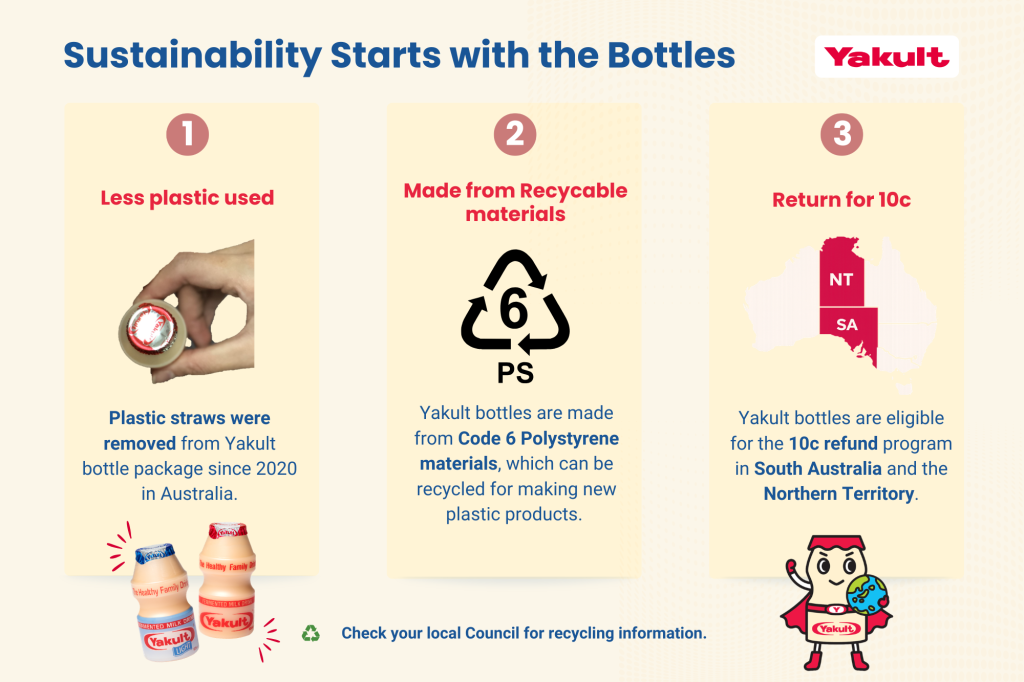
Figure 1. Yakult Australia with Sustainability.
Australian recycling tips
- Finish your Yakult.
- Separate the foil lid.
- Place the bottle in your household recycling (where accepted).
- Alternatively, return eligible bottles through your state’s Container Deposit Scheme.
Our Environmental Commitment
As part of Corporate Social Responsibility initiatives, the Yakult Group has established 12 Sustainable Development Goals to support the environment, health and local communities (5). More than half of these goals focus on environmental sustainability, reflecting the Group’s commitment to creating a society where people and the planet can thrive together.
To support this commitment, Yakult Group’s environmental initiatives focus on four key areas:
1. Climate change mitigation and adaptation
The Yakult Group is working to reduce greenhouse gas emissions throughout the operations and contribute towards a low-carbon society (6).
2. Transition to sustainable plastic containers and packaging
The Yakult Group is committed to reducing the use of plastic containers and packaging, promoting recycling initiatives and exploring more sustainable materials (7).
3. Sustainable water source management
The Yakult Group aims to use water resources efficiently and responsibly throughout the manufacturing and business activities (8).
4. Biodiversity conservation
The Yakult Group considers environmental impacts throughout the operations and strives to protect biodiversity through responsible business practices (9).
Looking Ahead
Creating a healthier world means not only supporting people’s health, but also caring for the environment we all share. While no single action can solve environmental challenges, every step counts. Everyone is encouraged to play their part by making environmentally responsible choices whenever possible.
Looking ahead, Yakult Australia will continue to support the Yakult Group’s sustainability initiatives. Together with Yakult Group companies across 40 countries and regions, we aim to contribute to the Group’s broader sustainability goals by taking practical steps towards a more sustainable future!

Reference:
- Yakult Honsha. Environmental [Internet]. Tokyo: Yakult Honsha; 2025 [cited 2026 Jun 25]. Available from: https://www.yakult.co.jp/english/sustainability/environment/
- Yakult Australia. Frequently asked questions [Internet]. Victoria: Yakult Australia; 2024 [cited 2026 Jun 25]. Available from: https://www.yakult.com.au/faq/
- Yakult Australia. About Yakult [Internet]. Victoria: Yakult Australia; 2024 [cited 2026 Jun 25]. Available from :https://www.yakult.com.au/product/
- Victorian Government. Single-use plastics ban: business factsheet [Internet]. Victoria: State Government of Victoria; 2023 [cited 2026 Jun 29]. Available from: single-use-plastics-ban-business-factsheet.pdf
- Yakult Honsha. Sustainability at Yakult [Internet].Tokyo: Yakult Honsha; 2025 [cited 2026 Jun 25]. Available from: https://www.yakult.com/english/sustainability/
- Yakult Honsha. Climate change mitigation and adaptation [Internet]. Tokyo: Yakult Honsha; 2025 [cited 2026 Jun 25]. Available from: https://www.yakult.co.jp/english/sustainability/environment/climate_change/
- Yakult Honsha. Transition to sustainable plastic containers and packaging [Internet]. Tokyo: Yakult Honsha; 2025 [cited 2026 Jun 25]. Available from: https://www.yakult.co.jp/english/sustainability/environment/plastic/
- Yakult Honsha. Sustainable water source management [Internet]. Tokyo: Yakult Honsha; 2025 [cited 2026 Jun 25]. Available from: https://www.yakult.co.jp/english/sustainability/environment/water/
- Yakult Honsha. Biodiversity conservation [Internet]. Tokyo: Yakult Honsha; 2025 [cited 2026 Jun 25]. Available from: https://www.yakult.co.jp/english/sustainability/environment/biodiversity/